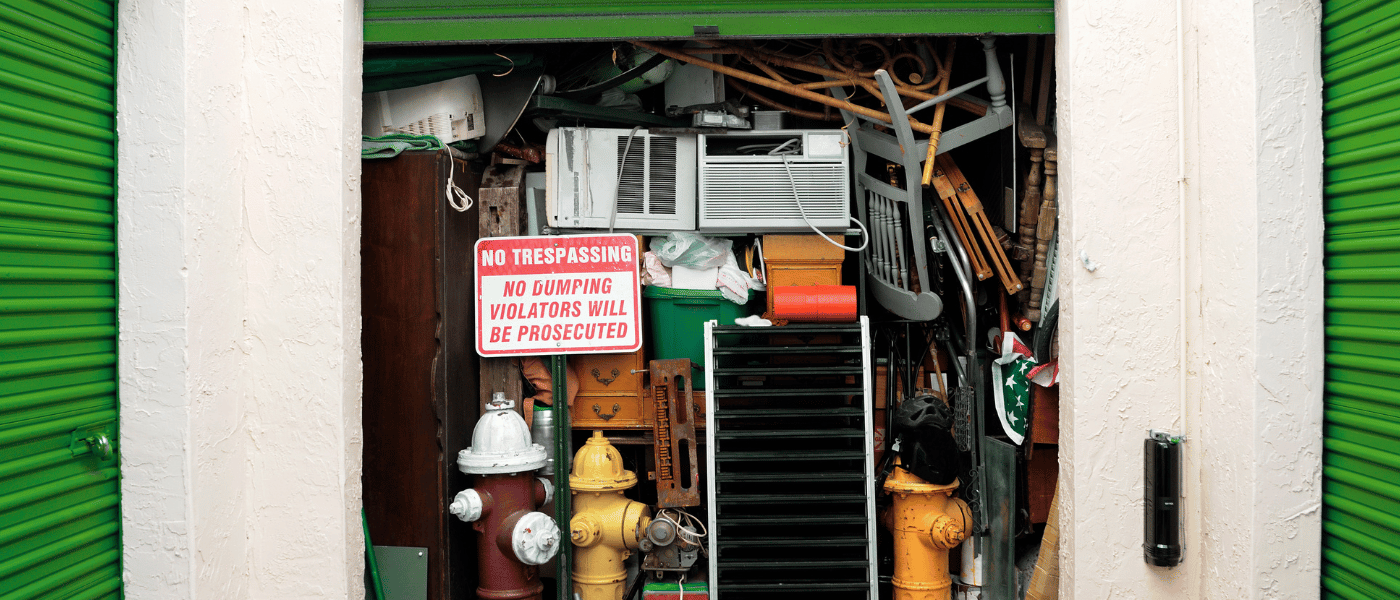
Summer isn’t just a season—it’s an offensive against your stored assets. Heat, humidity, and UV exposure form a three-pronged attack on anything sitting in a non-climate-controlled unit, and most people don’t realize the damage until it’s too late. If you’re storing electronics, furniture, documents, or seasonal gear, a little summer storage prep now prevents a costly casualty list later.
At Commando, we see the same preventable losses every season. Here’s your field manual for summer storage readiness.
Why Summer Heat Is a Threat to Your Belongings
Temperatures inside a standard storage unit can climb significantly higher than the outside air, especially in units that get direct sun exposure. That heat doesn’t act alone—it pairs with humidity to create the conditions for mold, mildew, warping, and material breakdown.
Items most at risk include:
- Electronics: Heat accelerates battery degradation and can warp internal components.
- Wood furniture: Expands, contracts, and cracks with temperature swings.
- Photos, documents, and books: Humidity causes curling, sticking, and mold growth.
- Vinyl records, candles, and cosmetics: Can melt or deform in extreme heat.
- Leather and fabric: Prone to mildew and discoloration in humid conditions.
Pre-Summer Staging: Your Prep Checklist
Before the temperatures spike, run through this summer storage checklist to fortify your unit against the heat.
1. Choose Climate-Controlled Storage for Sensitive Items
This is your single most effective defense. A climate-controlled storage unit maintains a consistent temperature and humidity range year-round, regardless of what’s happening outside. If you’re storing anything heat- or humidity-sensitive, this isn’t optional—it’s mission-critical.
2. Elevate Everything Off the Floor
Use pallets, shelving, or even a few wood planks to keep boxes and furniture off the concrete floor. Concrete can hold and transfer ground moisture, especially during humid summer months, putting items at risk of moisture damage even in a dry-feeling unit.
3. Use Breathable Covers, Not Plastic
Plastic sheeting traps moisture and heat against your belongings, creating a greenhouse effect inside your own boxes. Swap plastic tarps for breathable cotton sheets or moving blankets on furniture, and use cardboard boxes (not sealed plastic bins) for items that need airflow.
4. Add Moisture Absorbers
Silica gel packets, moisture-absorbing crystals, or activated charcoal placed strategically throughout your unit can pull excess humidity out of the air, reducing the risk of mold and mildew—especially valuable in non-climate-controlled units during peak summer humidity.
5. Leave Walking Room for Airflow
Don’t pack your unit wall-to-wall. Leaving a few inches of space between items and the walls, and a center aisle if possible, allows air to circulate and prevents heat and moisture from pooling in dead zones.
Special Considerations by Item Type
Electronics
Remove batteries before storage to prevent corrosion and leakage. Store devices in their original packaging when possible, and always opt for climate control if you’re storing anything for more than a few weeks during summer.
Furniture
Disassemble what you can to reduce surface area exposed to temperature swings. Use furniture covers (breathable, not plastic) and avoid leaning pieces directly against exterior walls, which absorb the most outside heat.
Documents and Photos
These are among the most vulnerable items in summer storage. Use acid-free boxes, store them off the floor, and—if at all possible—keep them in a climate-controlled unit. Once humidity damage sets in, it’s often irreversible.
Seasonal Gear
Winter coats, holiday décor, and sporting equipment can usually tolerate standard storage, but should still be packed in breathable containers with moisture absorbers to prevent that musty smell from taking hold.
What to Avoid During Summer Storage
- Don’t store flammable or pressurized items (propane tanks, aerosol cans, gasoline) in any unit—heat increases the risk of leaks or combustion.
- Don’t seal items in airtight plastic bins without moisture control—condensation can build up inside.
- Don’t ignore your unit for months at a time. A mid-summer check-in lets you catch small issues—condensation, pests, odors—before they become big ones.
The Role of Your Storage Facility
Your self storage facility plays a frontline role in summer protection. Look for:
- Climate-controlled units with consistent temperature and humidity control
- Well-ventilated buildings that don’t trap heat in non-climate-controlled sections
- Drive-up access to make seasonal swaps quick and easy
- Clean, pest-managed facilities that reduce the risk of summer pest activity
Final Briefing: Stay Ahead of the Heat
Summer heat doesn’t give advance warning before it damages your belongings—the prep has to happen before the temperatures climb. By choosing the right unit type, elevating and covering items properly, managing humidity, and doing periodic check-ins, you protect what matters most without the summer scramble.
Beat the Heat: Ready to upgrade to a climate-controlled unit before summer hits? Contact your local Commando facility today to check availability and get your belongings mission-ready for the season.