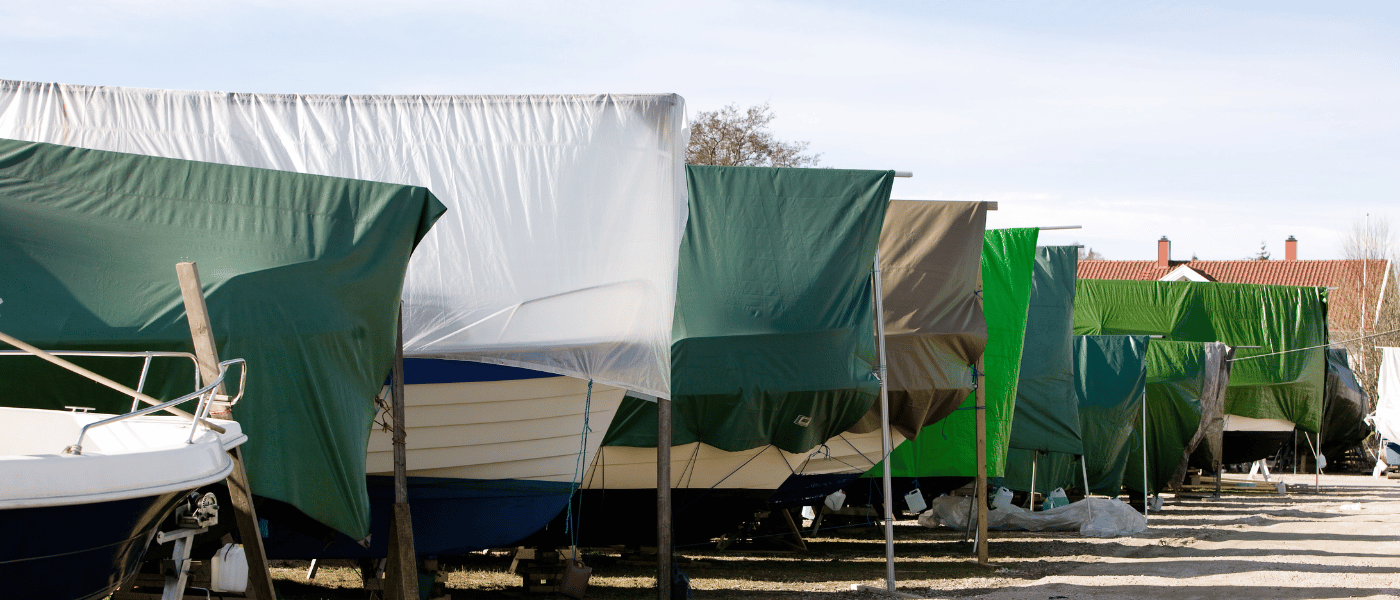
Your boat, RV, or seasonal vehicle represents a serious investment—and like any high-value asset, it needs a deployment plan for the off-season. Leaving it parked in a driveway or backyard isn’t just an eyesore that might violate your HOA’s rules of engagement; it’s an open invitation for weather damage, theft, and value depreciation. Vehicle storage done right protects your investment and keeps it mission-ready for the next time you need it.
At Commando, we see the same questions every season from boat owners, RVers, and weekend warriors. Here’s your field manual for vehicle and RV storage.
Why Off-Site Storage Beats the Driveway
Storing a boat, RV, camper, or trailer at home might seem convenient, but it comes with real costs:
- HOA and Zoning Violations: Many neighborhoods restrict or outright ban parking large vehicles on residential property, and fines can add up fast.
- Weather Exposure: Sun, rain, snow, and freeze-thaw cycles attack paint, seals, tires, and upholstery year-round.
- Security Risks: A vehicle parked at home is a visible target for theft and vandalism.
- Curb Appeal and Resale Value: Large vehicles parked at home can affect your property’s appearance—and in some cases, its value.
A dedicated boat and RV storage facility removes all of these problems while freeing up your driveway for, well, your driveway.
Choosing the Right Type of Storage
Not all vehicle storage units are created equal. Your choice should match the vehicle, your budget, and how often you plan to use it.
Outdoor Uncovered Storage
The most budget-friendly option, ideal for trailers, jet skis, and vehicles that can handle some weather exposure. Best paired with a high-quality cover.
Outdoor Covered Storage
A step up that shields your vehicle from direct sun and precipitation while keeping costs lower than fully enclosed units. A solid middle ground for boats and RVs that see regular seasonal use.
Enclosed Storage
The maximum-protection option. Fully enclosed units shield vehicles from weather, debris, and prying eyes—ideal for higher-value boats, RVs, and classic or specialty vehicles that spend long stretches in storage.
Climate-Controlled Storage
For vehicles with sensitive electronics, leather interiors, or wood trim, climate-controlled vehicle storage prevents the temperature and humidity swings that cause cracking, mold, and component failure over time.
Pre-Storage Prep: Your Deployment Checklist
Before you roll your vehicle into storage, run through this prep list to avoid a rough reactivation later.
1. Clean Inside and Out
Dirt, salt, and debris left on a vehicle for months can etch into paint and finishes. A thorough wash and wax (for boats and RVs) creates a protective barrier, and a clean interior prevents odors, mold, and pest problems from taking hold.
2. Handle Fluids and Fuel
For engines, top off the fuel tank and add a stabilizer to prevent degradation, then run the engine briefly to circulate it through the system. Check and top off oil, coolant, and other fluids per the manufacturer’s recommendations—old or low fluids left to sit can cause corrosion.
3. Protect the Battery
Disconnect the battery or use a trickle charger/battery maintainer to prevent it from draining completely during storage. A dead battery is one of the most common—and most preventable—issues vehicle owners face when pulling out of storage.
4. Address Tires
Inflate tires to the recommended pressure to prevent flat-spotting, which occurs when a vehicle sits in one position for too long. For long-term storage, consider tire covers to protect against UV damage.
5. Pest-Proof the Interior
Seal off entry points, remove food items, and consider dryer sheets, mothballs, or other deterrents in cabinets and compartments. Rodents and insects are notorious for finding their way into stored vehicles and causing expensive damage to wiring and upholstery.
6. Cover It Properly
A breathable, fitted cover protects against dust, UV rays, and moisture without trapping condensation underneath—critical for preventing mold and mildew during long storage periods.
Seasonal Considerations
Storing for Winter
Winterizing is non-negotiable for boats and RVs in colder climates. Drain water systems and add antifreeze where appropriate to prevent freeze damage to pipes, tanks, and engines. Indoor or covered storage offers significant protection from snow load and ice buildup.
Storing for Off-Season Use
If you’re storing seasonally rather than long-term, prioritize drive-up access and wide maneuvering lanes. The easier it is to get your vehicle in and out, the more likely you’ll actually use it when the season turns.
What to Look for in a Storage Facility
When evaluating a boat, RV, and vehicle storage facility, keep these factors on your checklist:
- Adequate Size and Clearance: Make sure units or spaces accommodate your vehicle’s height, length, and width—including mirrors and roof-mounted equipment.
- Security Features: Gated access, surveillance cameras, and on-site lighting all reduce risk.
- Surface Quality: Paved or gravel lots reduce the chance of getting stuck and minimize dust and mud transfer.
- Accessibility: Wide entry points and turning radius matter—especially for larger RVs and trailers.
- Flexible Lease Terms: Seasonal storage needs change; month-to-month or seasonal options offer the agility you need.
Final Briefing: Protect the Investment
Your boat, RV, or seasonal vehicle is built for adventure—not for sitting exposed to the elements when it’s not in use. By choosing the right type of vehicle storage, prepping properly before drop-off, and selecting a facility built for security and accessibility, you protect your investment and keep it ready to roll when the season calls.
Secure Your Spot: Looking for boat, RV, or vehicle storage that fits your needs? Contact your local Commando facility today to check availability and reserve your space before peak season fills up.